لماذا تتطلب فاكهة الباشن فروت صندوقًا مخصصًا لها
فاكهة الباشن فروت (باسيفلورا إيدوليس) هو توت متسلق استوائي — فهي ليست من الحمضيات، ولا من الفاكهة ذات النواة، ولا من التوت المعتدل المناخ. تخلق خصائصه البيولوجية مجموعة من التحديات بعد الحصاد تجعله أحد أصعب الفواكه التجارية في الشحن: حرارة تنفسية شديدة، وفترة صلاحية قصيرة تتراوح بين 5 و7 أيام، وقشرة صلبة لكنها قابلة للانكماش تتأثر بشدة بالصدمات وفقدان الرطوبة. ولا يمكن لصناديق المنتجات الزراعية القياسية، المصممة للتفاح أو البرتقال، أن تحل هذه المشاكل في آن واحد.
الحرارة المنبعثة من الجهاز التنفسي — أعلى بـ 3-4 أضعاف من البرتقال
فاكهة الباشن فروت هي الفاكهة التي تمر بمرحلة النضج — حيث تشهد ارتفاعًا حادًا في معدل التنفس بعد الحصاد، مما يؤدي إلى تحتوي على حرارة وإيثيلين أكثر بـ3-4 مرات من البرتقال عند نفس درجة الحرارة. ففي الصندوق المغلق أو الذي يعاني من سوء التهوية، تؤدي هذه الحرارة المحبوسة إلى تسريع عملية النضج، مما يؤدي بدوره إلى توليد المزيد من الإيثيلين — وهي دورة ذاتية التعزيز يمكن أن تدفع الفاكهة من حالة “ناضجة” إلى حالة “ناضجة أكثر من اللازم ومتخمرة” في غضون 24-48 ساعة. تتميز صناديقنا المموجة المصنوعة من مادة البولي بروبيلين (PP) بما يلي: تهوية مُعايرة الذي يزيل الحرارة المنبعثة من الجهاز التنفسي مع الاحتفاظ بكمية كافية من الرطوبة لمنع انكماش القشرة.
| نوع الفاكهة |
معدل التنفس (مل من ثاني أكسيد الكربون/كجم·ساعة عند 20 درجة مئوية) |
سن اليأس؟ |
إنتاج الإيثيلين |
| فاكهة الباشن فروت |
150-280 |
نعم — قوي |
مرتفع (50-100 ميكرولتر/كجم·ساعة) |
| البرتقالي |
40-65 |
لا — غير في سن اليأس |
منخفض جدًّا |
| الكرز |
25-40 |
لا — غير في سن اليأس |
منخفض جدًّا |
| العنب |
15-30 |
لا — غير في سن اليأس |
منخفض جدًّا |
| الموز |
120-200 |
نعم — قوي |
مرتفع جدًّا |
العد التنازلي لمدة الصلاحية التي تتراوح بين 5 و7 أيام
من لحظة الحصاد وحتى مرحلة النضج المفرط، تتميز فاكهة الباشن فروت بـ مدة صلاحية لا تتجاوز 5-7 أيام في درجة حرارة الغرفة — وهي من أقصر فترات التخزين بين جميع الفواكه التي يتم شحنها تجاريًّا. وهذا يخلق ضغطًا زمنيًّا شديدًا على طول سلسلة التوريد: اليومان الأول والثاني للحصاد والتبريد المسبق،, اليوم الثاني إلى الرابع في مجال النقل والتوزيع،, اليوم الرابع إلى السادس للعرض في متاجر البيع بالتجزئة، و اليومان السادس والسابع وهو «فترة الصلاحية الحرجة». فكل ساعة يتم توفيرها في التبريد وكل درجة يتم التحكم فيها من درجة الحرارة تساهم بشكل مباشر في إطالة هذه الفترة. وتساهم صناديقنا المصنوعة من البولي بروبيلين المموج في الحفاظ على 7-10 درجات مئوية: نطاق التخزين الأمثل من خلال العزل ذي الجدران المزدوجة وتدفق الهواء المعاير.
| اليوم |
حالة الفاكهة |
نافذة الإجراءات |
| اليومان الأول والثاني |
الحصاد، التبريد المسبق، التعبئة |
مهم: يجب أن تنخفض درجة الحرارة إلى 7-10 درجات مئوية في غضون 4 ساعات |
| اليوم الثاني إلى الرابع |
النقل والتوزيع |
هام: الحفاظ على درجة حرارة تتراوح بين 7 و10 درجات مئوية، وتفريغ الحرارة الناتجة عن التنفس |
| اليوم الرابع إلى السادس |
عرض المنتجات في متاجر البيع بالتجزئة، عمليات الشراء الاستهلاكية |
أمر بالغ الأهمية: منع الذبول، والتحكم في الإيثيلين |
| اليومان السادس والسابع |
انخفاض حاد في المبيعات — نضج مفرط، تخمير |
بالإضافة إلى ذلك: خصم على سعر 40-60% أو رفضه |
قشرة صلبة، انكماش سهل — مفارقة الرطوبة
تتميز فاكهة الباشن فروت بـ قشرة خارجية صلبة وخشبية التي تقاوم الثقب والصدمات — لكن هذه القشرة نفسها معرضة بشكل ملحوظ لـ فقدان الرطوبة. خسارة لا تتجاوز 2-3% من وزن الماء مما يتسبب في ظهور علامات الذبول والتجعد، وهو ما يفسره المستهلكون على أنه “قديم” أو “تالف”، حتى عندما تكون اللبة الداخلية سليمة تمامًا. وتكمن المفارقة في الاختيار بين التهوية لإزالة الحرارة والإيثيلين (اللذين يسرعان من فقدان الرطوبة)، أو الإغلاق المحكم للاحتفاظ بالرطوبة (الذي يحبس الحرارة والإيثيلين). تحل صناديقنا المصنوعة من البولي بروبيلين (PP) المموجة هذه المشكلة من خلال الهندسة المعايرة لنظام التهوية — فتحات تهوية تم تحديد أبعادها ومواقعها بحيث تحقق التوازن الأمثل بين تدفق الهواء (لإزالة الحرارة/الإيثيلين) والاحتفاظ بالرطوبة (لضمان امتلاء القشرة).

المواصفات
| المعلمة |
القيمة |
| المواد |
ألواح مموجة من البولي بروبيلين (PP) |
| هيكل الصفيحة |
ذو جدار مزدوج (مخدد/مجوف) |
| خيارات السماكة |
3 مم، 4 مم، 5 مم (يُنصح باستخدام 4 مم لفاكهة الباشن فروت) |
| الأبعاد القياسية للصندوق (صغير) |
400×300×200 ملم (النوع الأرجواني) |
| الأبعاد القياسية للصندوق (متوسط الحجم) |
500 × 350 × 250 ملم (النوع الذهبي) |
| الأبعاد القياسية للصندوق (كبير) |
600×400×300 مم (منصة نقالة للتصدير) |
| الوزن الفارغ (500×350×250 مم) |
0.8-1.5 كجم |
| سعة الحمولة |
5-15 كجم لكل صندوق (حسب الحجم) |
| ارتفاع التكديس |
6-8 صناديق (دون تكسير) |
| درجة الحرارة المثلى للتخزين |
7-10 درجات مئوية (44.6-50 درجة فهرنهايت) |
| عتبة الإصابة بالتبريد |
<5 درجات مئوية (الأصناف الاستوائية) |
| نمط التهوية |
النوع القياسي ذو 4 فتحات / النوع عالي التدفق ذو 10 فتحات / النوع منخفض التدفق ذو فتحتين |
| مقاومة الرطوبة |
<0.051 امتصاص TP3T (مقاوم للماء) |
| الامتثال للمعايير الغذائية |
لائحة إدارة الغذاء والدواء الأمريكية (FDA) 21 CFR 177.1520، لائحة الاتحاد الأوروبي 10/2011، المعيار البريطاني 4806.7-2023 |
| المعيار الدولي للصحة النباتية رقم 15 (ISPM-15) |
معفى (لا يحتوي على خشب) |
| دورات إعادة الاستخدام |
50-200+ (حسب طريقة الاستخدام) |
| خيارات الطباعة |
الطباعة بالشاشة الحريرية (قياسية) / طباعة كورونا + رقمية (اختيارية) |
| الألوان المتوفرة |
أبيض، أصفر، أرجواني، أخضر، حسب الطلب |
| معالجة الأسطح |
سلس قياسي / معالج بتقنية كورونا (جاهز للطباعة) |
| نسبة التداخل (فارغة) |
تخفيض الحجم 70% للشحن العائد |
| التوافق مع المنصات النقالة |
1200×1000 مم / 1200×800 مم (يورو) |
| خيارات الفواصل |
فواصل الخلايا الفردية (اختيارية) |
صندوق فاكهة الباشن فروت المصنوع من البولي بروبيلين المموج مقابل الصندوق الكرتوني مقابل رغوة البوليسترين الموسع مقابل الصناديق الخشبية
| ميزة |
صندوق من الورق المقوى المُموج (PP) |
صندوق من الورق المقوى |
صندوق من رغوة البوليسترين الموسع (EPS) |
صندوق خشبي |
| إدارة الحرارة التنفسية |
فتحات تهوية مُعايرة + تدفق هواء بجدار مزدوج |
عدم وجود تصميم للتهوية — تراكم الحرارة |
مُغلق — يحجب الحرارة والإيثيلين تمامًا |
مفتوح — بدون عزل، وبدون تحكم في تدفق الهواء |
| الاحتفاظ بالرطوبة |
85-90% توازن الرطوبة النسبية — لا تجعد |
يمتص الرطوبة → يلين + يتقلص |
محكم الإغلاق → التكثف → العفن |
يمتص الرطوبة → يتشوه → يتشقق |
| الحماية من الصدمات |
وسادة ذات جدارين تمتص الصدمات |
الانضغاط عند الاصطدام → كدمات في الثمار |
وسادة جيدة لكنها متشققة → شظايا من مادة EPS تتساقط على الطعام |
السطح الصلب → ينتقل تأثير الصدمة إلى الفاكهة |
| إدارة الإيثيلين |
تسمح فتحات التهوية بخروج غاز الإيثيلين |
يحتجز الإيثيلين → يؤدي إلى النضج المفرط السريع |
يحتجز الإيثيلين → يؤدي إلى النضج المفرط السريع |
مفتوح ولكن دون تهوية منظمة |
| دورات إعادة الاستخدام |
50-200+ |
1-3 (للاستخدام مرة واحدة) |
5-15 (هش، به شقوق) |
10-30 (يتطلب علاجًا) |
| الوزن (فارغ، 500×350×250 مم) |
0.8-1.5 كجم |
0.6-1.0 كجم |
0.3-0.6 كجم |
3.0-5.0 كجم |
| ارتفاع المكدس |
6-8 صناديق |
3-4 صناديق (في الظروف الرطبة) |
4-6 صناديق (خطر حدوث تشققات) |
6-8 صناديق |
| سلامة الأغذية |
متوافق مع معايير إدارة الغذاء والدواء الأمريكية (FDA) والاتحاد الأوروبي (EU) الصادرة في أكتوبر 2011 |
خطر انتقال الغراء/الحبر |
خطر التلوث بالجسيمات البلاستيكية الدقيقة في EPS |
يلزم إجراء المعالجة وفقًا للمعيار الدولي للصحة النباتية رقم 15 (ISPM-15) |
| التكلفة لكل رحلة (100 رحلة فأكثر) |
$0.12-0.35 |
$1.20-2.00 (للاستخدام مرة واحدة) |
$0.40-1.20 (عمر تشغيلي قصير) |
$0.50-1.50 (مع المعالجة) |
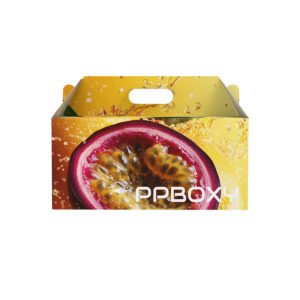
الميزات الرئيسية لصندوق فاكهة الباشن فروت من PPBOXY
التهوية المعايرة — معدل التبريد مقابل الاحتفاظ بالرطوبة
أهم ميزة هندسية على الإطلاق في صندوق فاكهة الباشن فروت هي معايرة التهوية. فتحات تهوية كثيرة جدًّا → تبريد سريع لكن تجفيف سريع. فتحات تهوية قليلة جدًّا → احتفاظ بالرطوبة لكن احتباس الحرارة والإيثيلين → تخمير. تتميز صناديقنا بـ فتحات تهوية مثقوبة بدقة يتم تحديد حجمها وموضعها بناءً على:
- معدل التبريد: 0.5-0.8 درجة مئوية/ساعة من خلال التبريد المسبق بالهواء القسري (الهدف: 7-10 درجات مئوية في غضون 4 ساعات من الحصاد)
- إزالة الإيثيلين: يمنع التهوية السلبية المستمرة ارتفاع تركيز الإيثيلين إلى ما يزيد عن 1 جزء في المليون (عتبة التخمير)
- الاحتفاظ بالرطوبة: 85-90% RH ضمن المناخ المحلي للصندوق (أقل من عتبة فقدان الوزن 2-3% التي تؤدي إلى الذبول)
خيارات التهوية حسب السوق:
| نمط الفتحات |
مساحة التهوية (% من الجدار) |
الأفضل لـ |
تأثير مدة الصلاحية |
| قياسي (4 فتحات تهوية جانبية) |
3-5% |
رحلات داخلية قصيرة المدى (1-3 أيام) |
5-7 أيام |
| تدفق عالي (8 فتحات جانبية + فتحتان في القاعدة) |
6-8% |
التصدير لمسافات طويلة (4-6 أيام) |
7-10 أيام عند درجة حرارة 7-10 درجات مئوية |
| تدفق منخفض (فتحتان جانبيتان فقط) |
1-2% |
التخزين في بيئة استوائية رطبة |
5-7 أيام (في بيئة ذات رطوبة عالية) |
تصميم داخلي مزود بنظام «Cushion-Rate» للحماية من الصدمات والتخمر
فاكهة الباشن فروت نسبة سكر عالية (14-18 درجة بريكس) يؤدي ذلك إلى ظهور نمط فشل فريد من نوعه: فعندما تتشقق إحدى الثمار جراء الصدمة، يغطي عصيرها السكري الثمار المجاورة، و يبدأ التخمير في غضون ساعات — الانتشار إلى الفاكهة المجاورة عن طريق التلامس. وتعالج صناديقنا المموجة المصنوعة من البولي بروبيلين هذه المشكلة من خلال:
- هيكل وسادة مزدوج الجدران الذي يمتص طاقة صدمة تزيد بنسبة 40-60% عن الورق المقوى أحادي الجدار
- فواصل الخلايا الفردية (اختياري) الذي يعزل كل حبة فاكهة على حدة، مما يمنع ملامسة العصير للفاكهة
- جدران مقاومة للماء التي تحتوي على عصير مسرب دون أن تتلين — على عكس الورق المقوى، الذي يمتص العصير ويخلق بيئة ملائمة للتخمير داخل جدران الصندوق
تكديس حتى 8 طبقات دون انضغاط — 50-200+ دورة إعادة استخدام
في ظل معايير التعامل القياسية مع سلسلة التبريد، تتميز صناديق فاكهة الباشن فروت المموجة المصنوعة من البولي بروبيلين (PP) بما يلي:
- ارتفاع المكدس: 6-8 صناديق دون إتلاف الطبقات السفلية (توزيع الحمل بفضل الجدران المزدوجة)
- دورات إعادة الاستخدام: 50-200+ رحلة في ظل ظروف التشغيل العادية
- التحضير للعودة: صناديق فارغة متداخلة بعضها داخل بعض — تقليل حجم 70% لشحن العودة
- نقطة التعادل مقابل الورق المقوى: 8-12 رحلة
| عامل التكلفة |
البولي بروبيلين المموج (لكل رحلة) |
الكرتون (لكل رحلة) |
| تكلفة الوحدة في الصندوق |
$6-12 |
$1.20-2.00 |
| دورات إعادة الاستخدام |
50-200+ |
1 |
| تكلفة الرحلة الواحدة |
$0.12-0.35 |
$1.20-2.00 |
| نقطة التعادل |
8-12 رحلة |
— |
| الوفورات السنوية (100 رحلة في السنة، 500 صندوق) |
— |
$42,500-82,500 |
متوافق مع معايير ملامسة الأغذية الصادرة عن إدارة الغذاء والدواء الأمريكية (FDA) والاتحاد الأوروبي (EU) في أكتوبر 2011
يتم تصنيع جميع علب فاكهة الباشن فروت من PPBOXY من البولي بروبيلين المخصص للاستخدام الغذائي:
- لائحة إدارة الغذاء والدواء الأمريكية (FDA) 21 CFR 177.1520 — بوليمرات الأوليفين المخصصة للتلامس مع الأغذية (السوق الأمريكية)
- لائحة الاتحاد الأوروبي رقم 10/2011 — المواد البلاستيكية التي تتلامس مع الأغذية (السوق الأوروبية)
- GB 4806.7-2023 — المواد البلاستيكية الملامسة للأغذية (مصنوعة محليًّا في الصين)
- غير سام، عديم الرائحة — لا يحدث انتقال للمواد الكيميائية، ولا ينتقل أي نكهة إلى لب الفاكهة
الأحجام المخصصة للأصناف الأرجوانية/الذهبية + أبعاد التصدير
تتوفر فاكهة الباشن فروت في صنفين تجاريين رئيسيين، لكل منهما متطلبات مختلفة من حيث الحجم:
| التنوع |
الوزن المعتاد |
القطر النموذجي |
الأصل المشترك |
السمة الرئيسية |
| أرجواني (P. edulis (و). إيدوليس) |
35-60 غرامًا |
4-6 سم |
أستراليا، جنوب أفريقيا، كينيا |
أصغر حجمًا، وأكثر عطرية، وقشرتها أكثر سمكًا |
| ذهبي/أصفر (P. edulis (و). فلافيكاربا) |
60-120 غرامًا |
5-8 سم |
البرازيل، كولومبيا، جنوب شرق آسيا |
قشرة أكبر حجماً، وأكثر حموضة، وأرق |
الأحجام القياسية للصناديق:
| الحجم |
الأبعاد (الطول × العرض × الارتفاع) |
السعة |
الأفضل لـ |
| صغير |
400 × 300 × 200 ملم |
5-6 كجم من الصنف الأرجواني |
التجزئة المحلية |
| متوسط |
500 × 350 × 250 ملم |
8-10 كجم من الصنف الذهبي |
التوزيع بالجملة |
| كبير |
600 × 400 × 300 ملم |
12-15 كجم متنوعة |
تحسين كفاءة شحن المنصات |
| مخصص |
حسب المواصفات |
حسب المواصفات |
المتطلبات الخاصة بكل علامة تجارية |
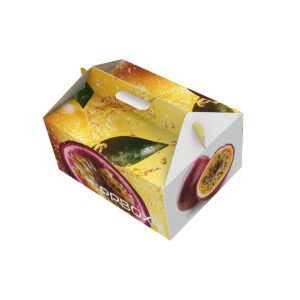
تطبيقات سلسلة التوريد الخاصة بفاكهة الباشن فروت
H3-9: حصاد المحاصيل الزراعية والتبريد المسبق
بعد الحصاد، يجب أن تكون فاكهة الباشن فروت يتم تبريدها إلى 7-10 درجات مئوية في غضون 4 ساعات للحد من الزيادة التنفسية المصاحبة لانقطاع الطمث. صُممت صناديقنا المموجة المصنوعة من مادة PP من أجل التبريد المسبق بالهواء القسري: يتيح نمط التهوية المُعاير تدفق الهواء البارد عبر مكدس الصناديق، مما يؤدي إلى سحب الحرارة المكتسبة من الحقل خارج الفاكهة بسرعة. وعلى عكس الورق المقوى، الذي يلين تحت تأثير التكثيف الذي يتشكل أثناء التبريد السريع، تحافظ الصناديق المموجة المصنوعة من البولي بروبيلين (PP) على سلامتها الهيكلية خلال دورات التبريد المتكررة.
التوزيع عبر سلسلة التبريد (7-10 درجات مئوية)
الـ ممر سلسلة التبريد بدرجة حرارة 7-10 درجات مئوية وهي درجة الحرارة المثلى لنقل فاكهة الباشن فروت — باردة بما يكفي لإبطاء عملية التنفس وإنتاج الإيثيلين، لكن دافئة بما يكفي لتجنب أضرار البرودة (التي تحدث عند درجات حرارة أقل من 5 درجات مئوية بالنسبة للأصناف الاستوائية). توفر صناديقنا ذات الجدران المزدوجة عزلًا سلبيًّا يحمي من الارتفاعات المفاجئة في درجات الحرارة أثناء عمليات النقل في الموانئ، بينما تضمن فتحات التهوية المعايرة إزالة الإيثيلين بشكل مستمر طوال فترة النقل.
عرض المنتجات بالجملة والتجزئة
صناديق فاكهة الباشن فروت المموجة المصنوعة من البولي بروبيلين هي قابلة للتنظيف، وقابلة للتكديس، وتبدو أنيقة لبيئات البيع بالجملة والتجزئة:
- الأسطح المطبوع عليها شعار «كورونا» — الدرجة، والمنشأ، ورقم الدفعة، والرمز الشريطي مطبوعة مباشرةً على جوانب الصندوق
- تكوين العرض المفتوح — غطاء قابل للإزالة أو قابل للطي لعرض المنتجات على منضدة البيع بالتجزئة
- سطح سهل التنظيف — يمكن مسحها بين دورات إعادة الاستخدام دون أن تتعرض للتلف
- ارتفاع المكدس: 6-8 صناديق — الاستفادة القصوى من المساحة الأرضية في أسواق الجملة
التصدير والشحن لمسافات طويلة
بالنسبة لشحنات فاكهة الباشن فروت الدولية (أمريكا الجنوبية → الاتحاد الأوروبي/الولايات المتحدة، جنوب شرق آسيا → اليابان/كوريا، أفريقيا → الشرق الأوسط)، توفر صناديقنا ما يلي:
- الإعفاء من المعيار الدولي للصحة النباتية رقم 15 (ISPM-15) — عدم وجود خشب = عدم وجود شهادة المعالجة الحرارية
- أبعاد مُحسَّنة لتناسب المنصات — مصممة لتناسب منصات EUR مقاس 1200×1000 مم و1200×800 مم
- لوجستيات إرجاع المنتجات المتداخلة — تخفيض حجم 70% عند إعادة الصناديق الفارغة
- معلومات الصحة النباتية المطبوعة على عبوات «كورونا» — الدرجة، المنشأ، رموز المعالجة مطبوعة مباشرةً
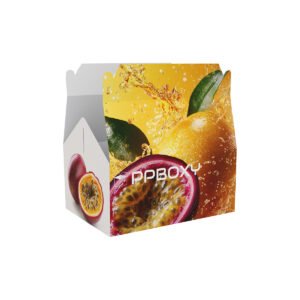
الأسئلة الشائعة
السؤال 1: ما الذي يميز صندوق فاكهة الباشن فروت عن عبوات الفاكهة الأخرى؟
فاكهة الباشن فروت هي نوع من التوت الاستوائي الذي يمر بمرحلة التمثيل الغذائي، ويتميز بمعدل تنفس أعلى بـ 3-4 أضعاف من البرتقال، ومدة صلاحية لا تتجاوز 5-7 أيام. وهي تنتج كميات كبيرة من الإيثيلين والحرارة التي يجب تهويتها باستمرار، مع الحفاظ في الوقت نفسه على رطوبة كافية لمنع تجعد القشرة (فقدان الماء بنسبة 2-3% = ظهور التجاعيد). تتميز صناديق فاكهة الباشن فروت المموجة المصنوعة من البولي بروبيلين (PP) لدينا بما يلي: تهوية مُعايرة التي تحقق التوازن بين هذه المتطلبات المتعارضة — وهو ما لا تستطيع صناديق الخضار والفواكه العادية، المصممة للفواكه ذات معدل التمثيل الغذائي المنخفض، تحقيقه. انظر لوح التغليف الزراعي للحلول ذات الأغراض العامة.
السؤال 2: لماذا تحتاج فاكهة الباشن فروت إلى تهوية رغم أن قشرتها صلبة؟
يحمي الغلاف الصلب من الصدمات، لكنه لا منع فقدان الرطوبة أو تراكم الحرارة الداخلية. داخل صندوق مغلق، ينتج عن عملية التنفس المكثفة لفاكهة الباشن فروت حرارة وإيثيلين، مما يُسرّع عملية النضج لتتحول إلى تخمير في غضون 24-48 ساعة. وفي الوقت نفسه، تفقد القشرة الماء من خلال مسام مجهرية — حيث يؤدي فقدان 2-3% فقط إلى تجعد مرئي يرفضه المستهلكون. تعمل نظام التهوية المعاير لدينا على إزالة الحرارة والإيثيلين مع الحفاظ على رطوبة نسبية تتراوح بين 85-90% داخل الصندوق.
السؤال 3: كيف يختلف هذا الصندوق عن صندوق الكرز أو صندوق العنب الخاص بكم؟
شركتنا صندوق شحن الكرز صُمم هذا الجهاز للتوت الصغير والناعم الذي لم يبلغ مرحلة النضج بعد، والذي يحتاج إلى التبريد المسبق والاحتفاظ بالرطوبة دون مخاوف تتعلق بالإيثيلين. جهازنا صندوق العنب يركز على الحفاظ على سلامة المجموعات ومنع تعفنها. صندوق فاكهة الباشون هذا يعالج علم الأحياء الاستوائي في مرحلة انقطاع الطمث: ارتفاع شديد في حرارة الجهاز التنفسي، وارتفاع معدل إفراز الإيثيلين، وانكماش القشرة الصلبة، وسلسلة التخمير التي تحدث عندما يتلامس العصير عالي السكر مع فاكهة أخرى.
السؤال 4: ما هي درجة الحرارة المثلى لتخزين فاكهة الباشن فروت؟
7-10 درجات مئوية (44.6-50 درجة فهرنهايت) — هذه هي النقطة المثالية التي يتباطأ فيها معدل التهوية بما يكفي لإطالة مدة الصلاحية إلى 7-10 أيام، مع الحفاظ على درجة حرارة دافئة بما يكفي لتجنب أضرار البرودة (التي تلحق الضرر بالأصناف الاستوائية عند انخفاض درجة الحرارة عن 5 درجات مئوية). وتحافظ صناديقنا المموجة المصنوعة من مادة البولي بروبيلين (PP) على هذه النقطة المثالية من خلال العزل السلبي ذي الجدران المزدوجة ونظام التهوية المعاير الذي يمنع حدوث ارتفاع مفرط في درجة الحرارة أو انخفاض مفرط فيها أثناء النقل.
السؤال 5: هل تقدمون أحجامًا مختلفة من العلب لفاكهة الباشن فروت الأرجوانية والذهبية؟
نعم. فاكهة الباشن فروت الأرجوانية (P. edulis (و). إيدوليس) أصغر حجمًا (35-60 غرامًا، وقطرها 4-6 سم)، وعادةً ما يتم تعبئتها في 400 × 300 × 200 ملم صندوق سعة 5-6 كجم. فاكهة الباشن فروت الذهبية/الصفراء (P. edulis (و). فلافيكاربا) أكبر حجمًا (60-120 غرامًا، وقطرها 5-8 سم)، وهي الأفضل في 500 × 350 × 250 ملم صندوق سعة 8-10 كجم. تتوفر أبعاد مخصصة لتلبية متطلبات التصنيف المحددة وتحسين كفاءة منصات التصدير.
السؤال 6: هل يمكن للصناديق المموجة المصنوعة من البولي بروبيلين (PP) أن تتحمل عصير فاكهة الباشن فروت المتشققة؟
نعم — وهذه ميزة حاسمة مقارنة بالكرتون. فعندما تنشق ثمرة الفاكهة العاطفية، يتسرب عصيرها عالي السكر (14-18 درجة بريكس) إلى داخل الصندوق. وفي حالة الكرتون، يمتص الجدار هذا العصير، مما يخلق بيئة تخمير تسرع من تلف الثمار المجاورة. أما في الصناديق المموجة المصنوعة من البولي بروبيلين (PP)، فإن السطح المقاوم للماء يحافظ على العصير دون امتصاصه — يمكنك مسحه لتنظيفه بين الرحلات، ويظل هيكل الصندوق سليمًا.
السؤال 7: كم مرة يمكن إعادة استخدام صندوق فاكهة الباشن فروت المصنوع من البولي بروبيلين (PP) والمموج؟
في ظل ظروف المناولة العادية لسلسلة التبريد، تحقق صناديق فاكهة الباشن فروت المموجة المصنوعة من البولي بروبيلين (PP) الخاصة بنا 50-200+ دورة إعادة استخدام — مقارنة برحلة واحدة لنقل الورق المقوى. بتكلفة الوحدة البالغة 6−12، تنخفض تكلفة الرحلة الواحدة إلى ∗∗6−12,thepإر−tripلأنtdropsto∗∗0.12-0.35**، مع تحقيق نقطة التعادل مقارنةً بالكرتون في غضون 8-12 رحلة فقط. ويمكن لأسطول مكون من 500 صندوق يقوم بـ 100 رحلة سنويًّا أن يوفر 1TP4 42,500-82,500 في السنة مقابل الورق المقوى الذي يُستخدم مرة واحدة.
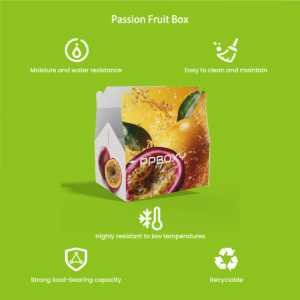 صندوق فاكهة الباشن فروت