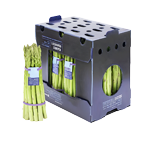
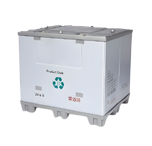
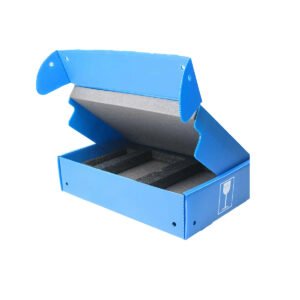
PP Corrugated Courier Box for Logistics & Delivery
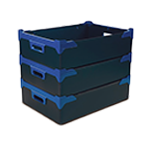
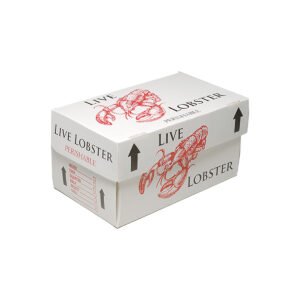
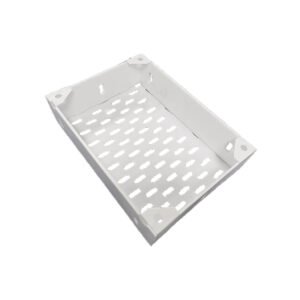
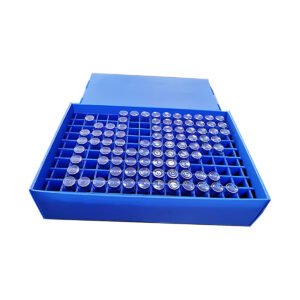
PPBOXY’s Polypropylene (PP) Courier Box is a heavy-duty reusable shipping crate engineered for the demanding conditions of modern logistics and courier operations. Constructed from premium PP corrugated plastic sheet, these crates deliver exceptional structural stability during both transit and long-term warehouse storage — outperforming traditional cardboard and wooden alternatives on every durability metric that matters to logistics operators.
What makes PP corrugated courier crates the preferred choice for delivery fleets and third-party logistics providers (3PLs) is their ability to maintain structural integrity across thousands of use cycles. While a cardboard box softens after a single exposure to rain or high humidity, the PP courier box remains rigid and protective. The material’s inherent resistance to impact, abrasion, and chemicals means these crates keep your shipments safe even when handled roughly by automated sorting systems, stacked densely on delivery vans, or exposed to industrial warehouse environments.
For courier companies operating on thin margins, the courier box’s reusability transforms packaging from a recurring cost into a long-term asset. Each crate is designed to be folded flat when empty — dramatically reducing reverse logistics costs when returning empties to the distribution center. This fold-flat design, combined with the crate’s multi-year service life, delivers a per-shipment cost that undercuts even cheap cardboard after just 15-20 reuse cycles.
Specifications
| Parameter |
Value |
| Material |
100% Virgin Polypropylene (PP) Corrugated Sheet |
| Sheet Thickness |
4mm / 5mm / 6mm (customizable) |
| Standard Sizes |
600×400mm / 500×300mm / Custom sizes available |
| Temperature Range |
-20°C to +80°C |
| Foldable |
Yes — folds flat when empty |
| Reusable Cycles |
200+ |
| Recycling |
100% recyclable (PP 05) |
| Custom Printing |
Available — silk-screen or digital print |
| MOQ |
None |
Key Features of PP Courier Box: Impact Resistance, Moisture & Chemical Protection
Exceptional Impact & Abrasion Resistance
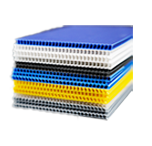
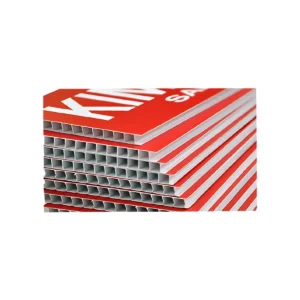
PP corrugated plastic has a unique sandwich-structure — two flat PP skins bonded to a corrugated fluted core — that absorbs and distributes impact energy far better than single-layer materials. In drop tests and real-world courier conditions, PP crates consistently outperform cardboard and thin plastic alternatives. The surface is also highly abrasion-resistant, so crates stacked on conveyor belts or sliding in delivery vans don’t degrade over time.
Waterproof & Moisture-Proof
Rain, snow, or high-humidity storage conditions have zero effect on the PP courier box. The non-porous polypropylene surface repels water completely — no warping, no softening, no mold growth. For courier operations that run year-round in all weather conditions, this moisture immunity eliminates a major cause of shipment damage and customer complaints.
Chemical & Odor Resistance
Polypropylene is inherently resistant to a wide range of chemicals, oils, and cleaning agents. Courier boxes used in industrial logistics may be exposed to lubricants, cleaning solutions, or spilled contents — the PP material resists degradation and cleans easily with standard sanitizing sprays. Unlike cardboard, which absorbs and retains odors permanently, PP crates can be washed and deodorized between uses, maintaining hygienic conditions across the entire crate fleet.
High Strength-to-Weight Ratio
Despite its exceptional durability, the PP courier box is remarkably lightweight — reducing fuel consumption and manual handling strain. The corrugated core provides structural rigidity without the weight penalty of solid plastic or wood. Couriers can carry more boxes per trip, and delivery vans can maximize payload without exceeding weight limits.
100% Recyclable & Reusable
Every PPBOXY courier box is made from single-material polypropylene, making it fully recyclable at end of life. More importantly, the crate is designed for 200+ reuse cycles — replace your cardboard box budget with a one-time crate investment that pays for itself within months. For logistics companies under pressure to reduce packaging waste and report on sustainability KPIs, switching to reusable PP crates is one of the highest-ROI changes available.
Applications: Last-Mile Delivery, Warehousing & Distribution
Last-Mile Delivery & Courier Fleets
In last-mile delivery — the most costly and damage-prone phase of the supply chain — packaging reliability directly impacts customer satisfaction and return rates. PP courier boxes protect contents through multiple delivery attempts, rough handling by gig-economy drivers, and weather exposure during porch drop-offs. The crates’ consistent dimensions and stack-stability also make them compatible with standardized delivery totes and sortation systems.
Warehouse Storage & Distribution Centers
Distribution centers and fulfillment warehouses need storage containers that stack safely, resist forklift bumps, and survive high-turnover environments. The PP courier box’s rigid construction maintains stack stability even when fully loaded and stacked 5+ layers high. Unlike cardboard boxes that slump or collapse when stacked, these crates protect both inventory and warehouse staff from stacking-related accidents.
Reverse Logistics & Returnable Packaging
E-commerce return rates (often 20-30% in apparel and consumer goods) create a massive reverse logistics challenge. PP courier boxes are ideal for returnable packaging programs: customers can repack and return items in the same sturdy crate, and the crate then goes back into the delivery cycle. The fold-flat design minimizes the space and cost of returning empty crates to the fulfillment center.
Industrial & Manufacturing Logistics
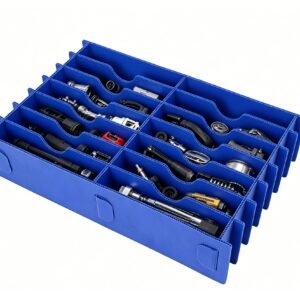
Beyond parcel delivery, these crates serve automotive parts suppliers, electronics manufacturers, and industrial equipment distributors that need rugged, reusable shipping containers. The chemical resistance makes them suitable for parts that may have residual oils or lubricants, and the smooth PP surface won’t snag on fine components during packing and unpacking.
PP Courier Box vs Cardboard Shipping Crates
Choosing the right shipping crate for logistics operations is a decision that directly affects damage rates, packaging costs, and sustainability reporting. The three most common options — PP corrugated plastic, corrugated cardboard, and molded plastic totes — each serve different needs, but the differences become critical at scale.
PP Courier Box vs Corrugated Cardboard Crates
Cardboard shipping boxes are the default choice for e-commerce and courier services because they are cheap per unit and universally accepted. However, cardboard’s limitations become expensive at scale. A single rainstorm can destroy an entire shipment of cardboard-packaged goods. Cardboard also has poor impact resistance — corners crush easily, and once structural integrity is compromised, the box offers little protection. Most critically for logistics operators, cardboard is strictly single-use. Each delivery consumes one box, creating a never-ending packaging expense and a mounting waste stream.
PP Courier Box vs Molded Plastic Totes
Molded plastic shipping totes (the rigid HDPE or PP bins often seen in retail restocking) are highly durable and reusable. However, they have two major drawbacks for courier use: they do not fold flat when empty, so reverse logistics costs are high, and they are heavy, adding significant shipping weight. PP corrugated courier boxes offer the same durability and reusability as molded totes, but with a fold-flat design that cuts empty-return shipping costs by ~70% and a much lighter weight that reduces fuel consumption.
Why PP Corrugated Wins for Courier & Logistics Operations
The PP corrugated courier box delivers the optimal balance of durability, weight, foldability, and cost. It outlasts cardboard by 200+ cycles, folds flat unlike molded totes, and costs a fraction of purpose-built reusable totes. For logistics operators ready to move beyond single-use cardboard without the capital expense of heavy molded plastic systems, PP corrugated courier boxes are the pragmatic choice.
| Feature |
PP Corrugated Courier Box |
Corrugated Cardboard Crate |
Molded Plastic Tote |
| Durability |
✅ 200+ reuse cycles |
❌ Single use |
✅ 500+ cycles |
| Waterproof |
✅ Fully waterproof |
❌ Fails when wet |
✅ Waterproof |
| Fold-Flat for Return |
✅ Folds flat, saves 70% space |
N/A (disposable) |
❌ Rigid, cannot fold |
| Weight |
✅ Lightweight |
✅ Lightweight |
❌ Heavy (adds shipping cost) |
| Chemical Resistance |
✅ Resists oils, cleaners |
❌ Absorbs chemicals |
✅ Resistant |
| Branding Surface |
✅ Printable surface |
✅ Printable |
⚠️ Limited print area |
| Cost per Cycle |
✅ Lowest (after 20 uses) |
⚠️ Low per unit, high total |
❌ High upfront cost |
| Stack Stability |
✅ Rigid, crush-proof |
❌ Collapses when stacked |
✅ Very stable |
FAQs
What is a PP corrugated courier box?
A PP corrugated courier box is a reusable shipping crate made from polypropylene hollow sheet. It is waterproof, impact-resistant, and foldable — designed for logistics, courier, and delivery operations that need durable packaging.
How many times can a PP courier box be reused?
A quality PP corrugated courier box typically lasts 200+ delivery cycles with proper handling, far outlasting cardboard boxes, which are single-use.
Is the PP courier box waterproof?
Yes, polypropylene is completely waterproof and moisture-proof. The box maintains structural integrity even in rain, snow, or high-humidity storage conditions.
Can PP courier boxes be folded for return shipping?
Yes, PP corrugated courier boxes are designed to fold flat when empty, reducing reverse logistics space and cost by approximately 70%.
What sizes are available for PP courier boxes?
Standard sizes include 600×400mm and 500×300mm. PPBOXY also offers fully customized dimensions, thicknesses, and printing to match your specific logistics requirements.
Are PP courier boxes chemical resistant?
Yes, polypropylene is resistant to oils, lubricants, and common cleaning agents. The boxes can be wiped clean and sanitized between uses.