Che cos’è una scatola in plastica ondulata PP?
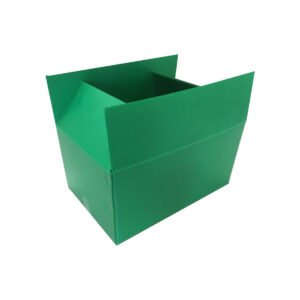
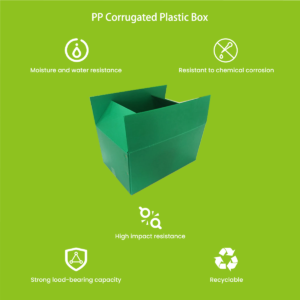
Una cassa in plastica ondulata PP è un contenitore riutilizzabile per la spedizione e lo stoccaggio, realizzato con lastre ondulate in polipropilene (PP) — un pannello a doppia parete con nervature parallele che si estendono tra due facce piatte. Questa struttura conferisce alla scatola un elevato rapporto resistenza/peso: una tipica scatola da 600 × 400 × 300 mm pesa 0,8–1,2 kg, ma è in grado di sostenere 15–25 kg di contenuto impilato in 4–6 unità.
Il termine “ondulato” nel nome si riferisce all’anima scanalata — identica in linea di principio al cartone ondulato, ma realizzata in PP anziché in carta. Questa distinzione è importante perché il cartone ondulato in PP non assorbe umidità, non si delamina quando è bagnato e non perde rigidità in ambienti umidi: le tre cause di cedimento che rendono il cartone inadatto al riutilizzo industriale.
Nomi comuni dello stesso prodotto: Le scatole in PP ondulato sono commercializzate anche come scatole in Correx, scatole in coroplast, scatole di plastica scanalate, Scatole in cartone alveolare PP, e scatole in polipropilene a doppia parete. Si tratta sempre dello stesso materiale (foglio ondulato in polipropilene) trasformato in forma di scatola; i nomi diversi riflettono la terminologia regionale o di settore piuttosto che differenze di prodotto.
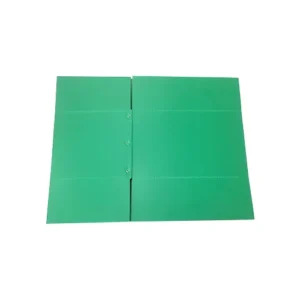
Struttura e produzione: Ogni scatola nasce da un foglio piatto di PP ondulato, fustellato e cordonato con precisione, per poi essere piegata e assemblata in un contenitore tridimensionale. Il metodo di lavorazione determina il tipo di scatola:
Differenza fondamentale: Una scatola in plastica ondulata in PP è definita dal materiale (foglio ondulato in PP) e dalla struttura (anima ondulata a doppia parete), non dal tipo di chiusura, dal modello del coperchio o dall’applicazione. I 6 tipi di scatola riportati di seguito sono tutti realizzati con lo stesso materiale; si differenziano per le dimensioni e l’uso previsto.
Specifiche tecniche
| Specifiche tecniche |
Dettagli |
| Materiale |
100% Foglio ondulato in polipropilene (PP) vergine |
| Tipi di flauto |
Cannuccia a B (3 mm), cannuccia a C (4 mm), cannuccia a BB (5 mm), su misura |
| Gamma di taglie |
Da 200 × 150 mm a 1200 × 800 × 600 mm (disponibili anche su misura) |
| Dimensioni standard |
400 × 300, 500 × 350, 600 × 400, 800 × 600 mm |
| Capacità di carico |
5–30 kg (varia a seconda del tipo di scatola — vedi tabella comparativa) |
| Intervallo di temperatura |
da −20 °C a +80 °C |
| Colori |
Bianco, blu, nero, rosso, verde, giallo, Pantone personalizzato |
| Cicli di riutilizzo |
150–500+ (varia a seconda del tipo di scatola) |
| Per uso alimentare |
Sì (PP vergine, conforme alle norme FDA/UE) |
| Opzione ESD-Safe |
Sì (resistività superficiale 10⁶–10⁹ Ω/sq) |
| OEM/ODM |
Disponibile |
| Quantità minima ordinabile (MOQ) |
Nessuno |
Confronto tra i diversi tipi di scatole in plastica ondulata (PP)
Non tutte le cassette in plastica ondulata in PP hanno lo stesso scopo. La tabella sottostante mette a confronto i sei tipi principali in base alla struttura, alla capacità e all'applicazione più adatta, in modo da consentirti di individuare la cassetta giusta prima di consultare le singole pagine dei prodotti.
Tabella comparativa dei 6 tipi
| Tipo di scatola |
Struttura |
Intervallo di dimensioni (mm) |
Capacità di carico |
Pieghevole? |
Riutilizzi |
Ideale per |
Link |
| Scatola in Correx |
Pieghevole fustellato con chiusura a linguetta/Velcro |
200–1200+ |
5–20 kg |
✅ Appartamento |
200+ |
Imballaggi per uso generico, vendita al dettaglio, industria leggera |
Scatole in Correx |
| Scatola con fogli cavi |
Fustellato con fori di ventilazione, aperto nella parte superiore |
300–1200+ |
5–15 kg |
✅ Appartamento |
150+ |
Prodotti freschi, prodotti agricoli, magazzini ventilati |
Scatola in lastre cave di PP |
| Scatola pieghevole |
Pieghevole fustellato con opzioni di chiusura in velcro e maniglia |
300–1200+ |
10–25 kg |
✅ Appartamento |
200+ |
E-commerce, imballaggi promozionali, spedizioni con limiti di spazio |
Scatola da imballaggio pieghevole |
| Casella "Fatturato" |
Coperchio incernierato, base rigida, impilabile |
400–600+ |
15–30 kg |
❌ Rigido |
300+ |
Catena del freddo, rotazione del personale in fabbrica, componenti pesanti, operazioni ripetitive di apertura e chiusura |
Scatola impilabile in PP ondulato |
| Scatola per corriere |
Struttura rigida, coperchio ad incastro, resistente agli urti |
300–600+ |
10–20 kg |
❌ Rigido |
200+ |
Consegna dell'ultimo miglio, logistica inversa, flotte di corrieri |
Scatola per corriere |
| Cassa-pallet |
Pareti in PP su base di pallet in HDPE |
600–1200+ |
500–1000 kg |
✅ Pareti pieghevoli |
500+ |
Stoccaggio in magazzini per carichi pesanti, spedizioni di merci sfuse, settore automobilistico |
Casse portapalletti pieghevoli |
Guida alla scelta: quale tipo di scatola è più adatto alle tue esigenze?
| La tua priorità |
Tipo consigliato |
Perché |
| Spazio di stoccaggio minimo a vuoto |
Scatola pieghevole o scatola in Correx |
Entrambi si ripiegano fino a diventare piatti — riduzione del volume del 75–80% |
| Numero di cicli di apertura e chiusura al giorno |
Casella "Fatturato" |
Coperchio incernierato progettato per oltre 300 cicli senza usura |
| Consegna di pacchi con movimentazione approssimativa |
Scatola per corriere |
Struttura rigida + resistenza agli urti + coperchio ad incastro |
| Prodotti freschi che necessitano di ventilazione |
Scatola con fogli cavi |
I fori di ventilazione garantiscono il flusso d'aria nella catena del freddo |
| Carichi superiori a 100 kg su un pallet |
Cassa-pallet |
Base in HDPE con portata nominale per un carico statico compreso tra 500 e 1000 kg |
| Per uso generico, ottimo rapporto qualità-prezzo |
Scatola in Correx |
Oltre 200 riutilizzi, pieghevole, gamma di misure più ampia, costo per utilizzo più basso |
Ancora indeciso? Per le applicazioni incentrate sullo stoccaggio (scaffalature da magazzino, gestione delle scorte), consulta la nostra Scatole di plastica ondulata per la conservazione guida — tratta in modo più approfondito le funzionalità specifiche relative allo storage.

Caratteristiche principali comuni a tutte le scatole in plastica ondulata PP
Indipendentemente dal tipo di contenitore, ogni contenitore in plastica ondulata PP presenta questi vantaggi a livello di materiale rispetto alle alternative in cartone e in plastica solida.
Impermeabile e resistente agli agenti chimici
La lastra ondulata in PP assorbe meno di 0,03% di umidità in peso, rispetto ai 6–9% del cartone. Il materiale è inerte all’acqua, alla maggior parte degli acidi, agli alcali e ai solventi organici, il che lo rende adatto ad ambienti umidi, a celle frigorifere e a impianti chimici, dove il cartone si delamina nel giro di poche ore.
Pieghevole e salvaspazio (ove applicabile)
Le scatole pieghevoli fustellate (Correx, Hollow Sheet, Foldable) si appiattiscono quando sono vuote, riducendo il volume delle spedizioni di ritorno del 75–80%. Una scatola pieghevole standard da 600 × 400 × 300 mm si riduce a circa 600 × 400 × 40 mm, consentendo di impilare 15–20 scatole vuote nello spazio occupato da una scatola assemblata. I modelli rigidi (Turnover, Courier) non sono pieghevoli, ma sono progettati per essere impilati l’uno dentro l’altro quando sono vuoti.
Personalizzabile e impilabile
Le scatole in PP ondulato consentono la serigrafia, la stampa digitale e la stampa a caldo per il marchio, i codici a barre e le istruzioni di movimentazione. Tutti i modelli sono progettati per essere impilati quando pieni (4–6 unità in altezza per le scatole standard; 3–4 unità per le scatole da pallet) e per essere impilati l’uno dentro l’altro quando vuoti. Per tutti i modelli sono disponibili dimensioni, colori e divisori interni personalizzati, senza quantità minima d’ordine.
Scatola in PP ondulato vs scatola di cartone vs borsa in plastica rigida
| Proprietà |
Scatola in PP ondulato |
Scatola di cartone |
Borsa in plastica rigida (PP/HDPE) |
| Peso (600×400×300 mm) |
0,8–1,2 kg |
0,5–0,8 kg |
2,0–3,5 kg |
| Capacità di carico |
15–25 kg |
10–15 kg |
25–40 kg |
| Riutilizzi |
150–500+ |
1–3 |
500–1000+ |
| Impermeabile |
✅ |
❌ |
✅ |
| Pieghevole quando è vuoto |
✅ (modelli pieghevoli) |
✅ (sempre) |
❌ |
| Intervallo di temperatura |
da −20 °C a +80 °C |
da −5 °C a +50 °C (in condizioni di asciutto) |
da −20 °C a +80 °C |
| Resistenza chimica |
✅ |
❌ |
✅ |
| Stampabile |
✅ |
✅ |
⚠️ In quantità limitata (stampa in-mold o tampografica) |
| Riciclabile |
✅ (#5 PP) |
✅ |
✅ (#5 PP o #2 HDPE) |
| Costo unitario tipico |
$2–8 |
$0,50–2 |
$8–25 |
| Costo per utilizzo (50 riutilizzi) |
$0,04–0,16 |
$0,17–0,67 |
$0,16–0,50 |
In sintesi: Le scatole in PP ondulato rappresentano la soluzione ideale a metà strada tra il cartone (economico ma usa e getta) e i contenitori in plastica rigida (resistenti ma costosi e non pieghevoli). Per la maggior parte delle applicazioni industriali e logistiche, il PP ondulato garantisce il minor costo per utilizzo, pur mantenendo impermeabilità e pieghevolezza.
Applicazioni industriali
Le cassette in plastica ondulata (PP) trovano impiego in diversi settori industriali in cui il cartone si deteriora troppo rapidamente e i contenitori in plastica rigida risultano troppo costosi o poco flessibili. Ecco i cinque settori in cui il loro utilizzo è più diffuso.
Industria manifatturiera e settore automobilistico
Negli stabilimenti di produzione si utilizzano scatole in PP ondulato per trasporto delle merci in lavorazione (WIP) tra una stazione e l'altra, kit di ricambi per le linee di assemblaggio, e imballaggi a restituzione per le consegne dei fornitori. Il vantaggio principale rispetto al cartone: queste scatole resistono all’olio, al liquido refrigerante e ai trucioli metallici senza subire alcun deterioramento. Le scatole a rotazione con coperchio incernierato sono lo standard in questo ambito: gli operai le aprono e le chiudono decine di volte per turno.
Tipo consigliato: Scatola impilabile in PP ondulato oppure Scatole in Correx
Cibo e bevande
I prodotti freschi, le bevande in bottiglia e gli alimenti trasformati richiedono imballaggi impermeabili, adatti al contatto con gli alimenti e facili da pulire. Le scatole in PP ondulato con fori di ventilazione (tipo “Hollow Sheet Box”) consentono il passaggio dell’aria nella catena del freddo attraverso i prodotti; i modelli a pareti piene proteggono i prodotti imballati dalla condensa. Tutte le scatole PPBOXY a contatto con gli alimenti utilizzano resina PP vergine conforme alla normativa FDA 21 CFR e al Regolamento UE 10/2011.
Tipo consigliato: Scatola in lastre cave di PP (ventilato) oppure Scatole in Correx (parete piena)
Elettronica e semiconduttori
Le scatole in PP ondulato a prova di scariche elettrostatiche (ESD) proteggono i circuiti stampati, i connettori e i semiconduttori sia dagli urti fisici che dalle scariche elettrostatiche. Per i modelli con protezione ESD è possibile specificare una resistività superficiale compresa tra 10⁶ e 10⁹ Ω/sq. La struttura leggera riduce i costi di spedizione rispetto ai contenitori in plastica massiccia, mentre il PP, materiale che non rilascia gas, evita la contaminazione dei componenti sensibili.
Tipo consigliato: Scatole in Correx (tipo a prova di scariche elettrostatiche) oppure Scatola per corriere
Settore farmaceutico e medico
Gli imballaggi farmaceutici devono soddisfare standard di tracciabilità e di contaminazione che il cartone non è in grado di garantire. Le scatole in PP ondulato sono conformi alla norma USP Classe VI, prive di sostanze lisciviabili e compatibili con tutti e tre i principali metodi di sterilizzazione (autoclave, raggi gamma, EtO). Sono utilizzate per confezioni di compresse, vassoi per fiale, imballaggi di kit diagnostici e spedizioni farmaceutiche nella catena del freddo.
Tipo consigliato: Scatola impilabile in PP ondulato (catena del freddo) oppure Scatole in Correx (settore farmaceutico in generale)
Logistica ed e-commerce
Le operazioni di corriere e logistica richiedono scatole in grado di resistere a centinaia di cicli di consegna, di resistere alla pioggia e agli urti e di ripiegarsi completamente per il viaggio di ritorno. Il modello Courier Box è progettato specificamente per questo scopo: struttura rigida per la protezione, coperchio ad incastro per la sicurezza e un ciclo di vita di oltre 200 riutilizzi. Per i resi dell’e-commerce, le scatole pieghevoli riducono al minimo il volume delle spedizioni di ritorno.
Tipo consigliato: Scatola per corriere (consegna) oppure Scatola da imballaggio pieghevole (resi nell'e-commerce)
Domande frequenti
Domanda 1: Qual è la differenza tra una scatola in plastica ondulata PP e una scatola di cartone?
Una scatola in plastica ondulata PP è realizzata con un foglio di polipropilene a doppia parete: impermeabile, resistente agli agenti chimici e riutilizzabile da 150 a oltre 500 volte. Una scatola di cartone è realizzata in carta ondulata: assorbe l’umidità, si degrada con il riutilizzo e in genere resiste a 1–3 cicli. Le scatole in PP ondulato hanno un costo iniziale maggiore (2–8 vs2–8vs(0,50–2), ma garantiscono un costo per utilizzo inferiore nel lungo periodo.
Domanda 2: Quante volte è possibile riutilizzare una scatola in plastica ondulata in PP?
Dipende dal tipo di scatola e dalle condizioni di movimentazione. I modelli pieghevoli fustellati (Correx, Foldable) raggiungono in genere oltre 200 cicli di riutilizzo. I modelli rigidi con cerniera (Turnover) raggiungono oltre 300 cicli. Le casse per pallet con base in HDPE raggiungono oltre 500 cicli. Tutte le cifre presuppongono una movimentazione corretta e l'assenza di danni strutturali.
Domanda 3: Le scatole in plastica ondulata PP sono adatte al contatto con gli alimenti?
Sì. Le scatole PPBOXY destinate al contatto con gli alimenti sono realizzate in resina PP vergine conforme ai requisiti della norma FDA 21 CFR 177.1520 (Stati Uniti) e del Regolamento UE 10/2011 (Europa) relativi ai materiali a contatto con gli alimenti. Per l’uso con prodotti ortofrutticoli freschi, le Scatola in lastre cave di PP è dotato di fori di ventilazione che garantiscono il flusso d’aria necessario al mantenimento della catena del freddo.
Domanda 4: È possibile personalizzare le scatole in PP ondulato con una stampa?
Sì. Tutti i modelli di scatole PPBOXY sono compatibili con la serigrafia, la stampa digitale UV e l'etichettatura a caldo. Tra le applicazioni di stampa più comuni figurano loghi aziendali, codici a barre, codici QR, icone di movimentazione e identificatori con codice colore per lo smistamento in magazzino. Sono inoltre disponibili formati e colori personalizzati (compresa la corrispondenza Pantone) senza alcun quantitativo minimo d'ordine.
D5: Qual è la differenza tra una “scatola in Correx” e una “scatola in plastica ondulata PP”?
Nulla in termini concreti: “correx” è un marchio commerciale che nel Regno Unito e in alcune parti d’Europa è diventato un nome generico per indicare le lastre di polipropilene ondulato. Una “scatola Correx” e una “scatola in plastica ondulata in PP” sono lo stesso prodotto, realizzato con lo stesso materiale. PPBOXY utilizza entrambi i termini: questa pagina copre l’intera categoria, mentre il nostro Scatole in Correx La pagina fornisce informazioni dettagliate sul modello pieghevole più popolare.
 Scatola in plastica ondulata PP